February 25, 2026
Every day, people rely on roads to commute to work, transport goods, visit family, or travel for leisure. We often take smooth, reliable roads for granted, yet they are critical to modern life. Asphalt companies play a vital role in creating and maintaining these roadways, ensuring safe, efficient, and durable travel. From building new highways to repairing damaged streets, these companies support economic growth, public safety, and community connectivity.
In addition to improving transportation, asphalt companies drive technological innovation and sustainability within the construction industry. By combining engineering expertise with modern materials and equipment, they ensure that roads remain functional, resilient, and environmentally responsible. This article explores the many ways asphalt companies impact daily travel, infrastructure, and society.
The Role of Asphalt in Modern Infrastructure
Historical Development of Asphalt Use
Asphalt has been used for centuries, with early applications in Mesopotamia and ancient civilizations valuing its waterproof and durable qualities. Over time, asphalt became a preferred material for roads, supporting the growth of towns, cities, and trade routes. During the Industrial Revolution, asphalt paving gained momentum, transforming urban landscapes. By the 20th century, the U.S. had widely adopted asphalt, and it remains the dominant paving material due to its strength, versatility, and cost-effectiveness.
Composition and Characteristics of Asphalt
The durability of asphalt comes from its composition: a mix of aggregates, bitumen binders, and fillers. Bitumen provides flexibility and cohesion, enabling roads to withstand heavy traffic and extreme temperatures. Asphalt’s ability to be recycled also enhances sustainability, reducing waste and conserving resources. These characteristics make asphalt ideal for creating long-lasting, reliable surfaces that meet the demands of everyday travel.
Asphalt in Road Construction
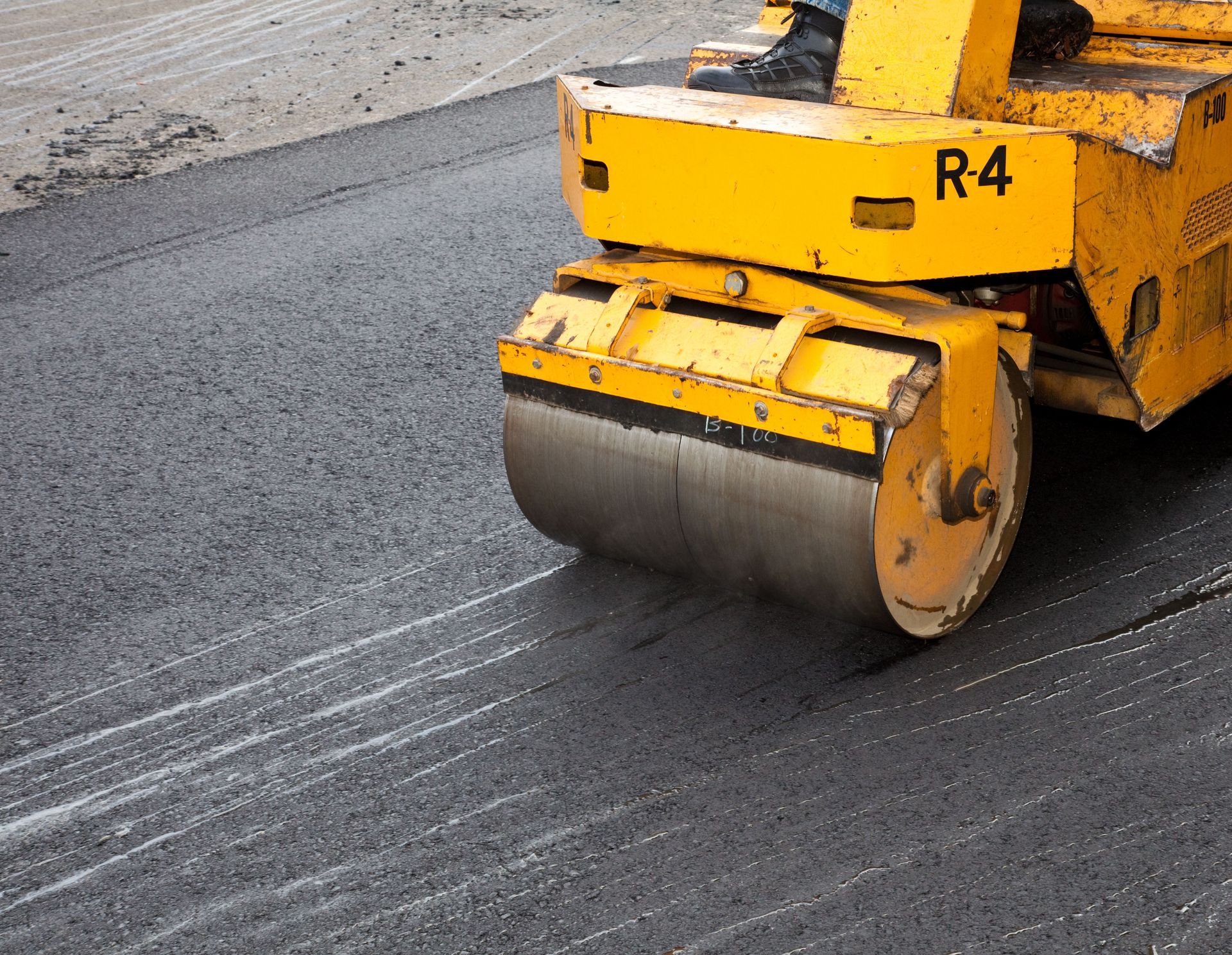
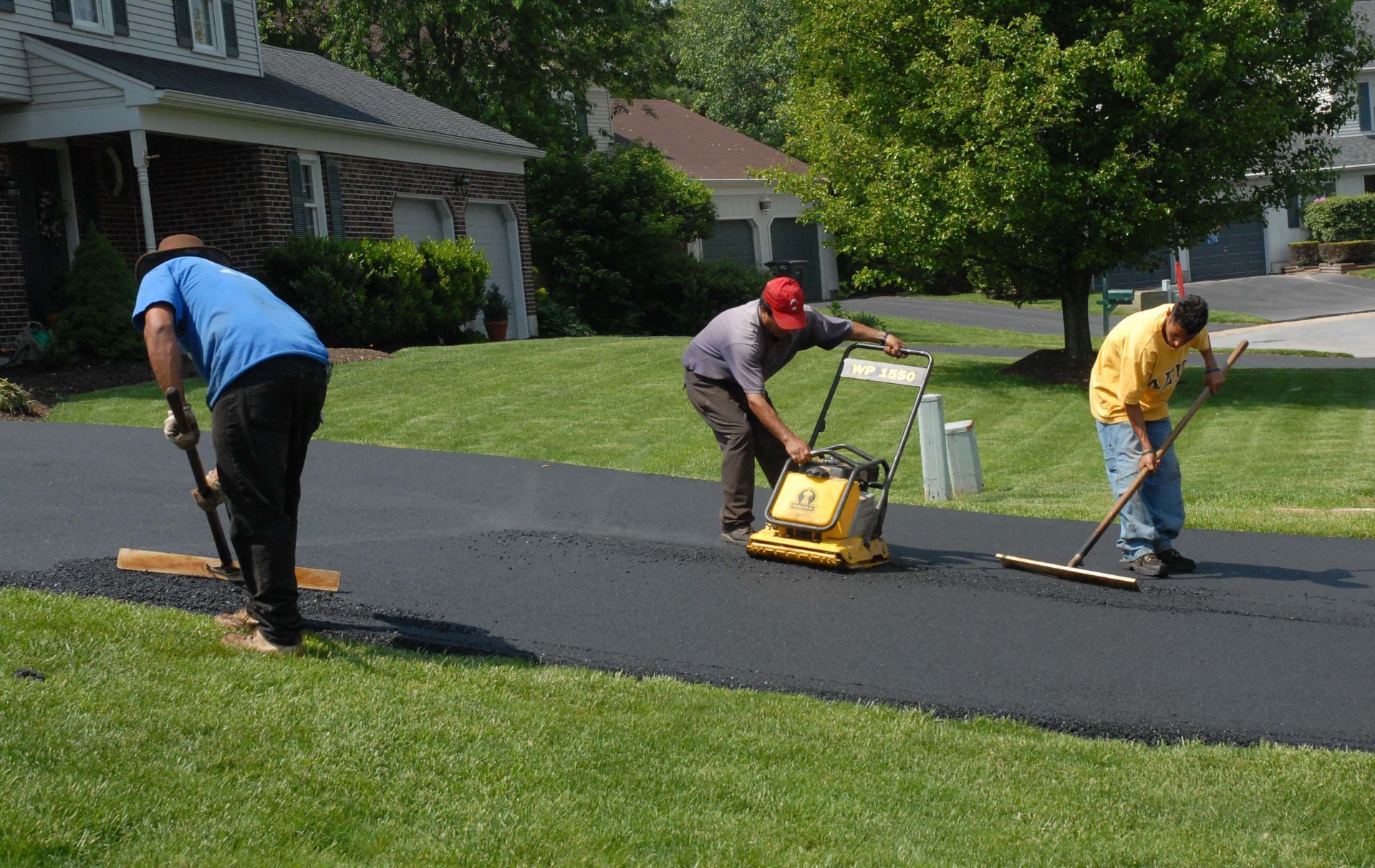
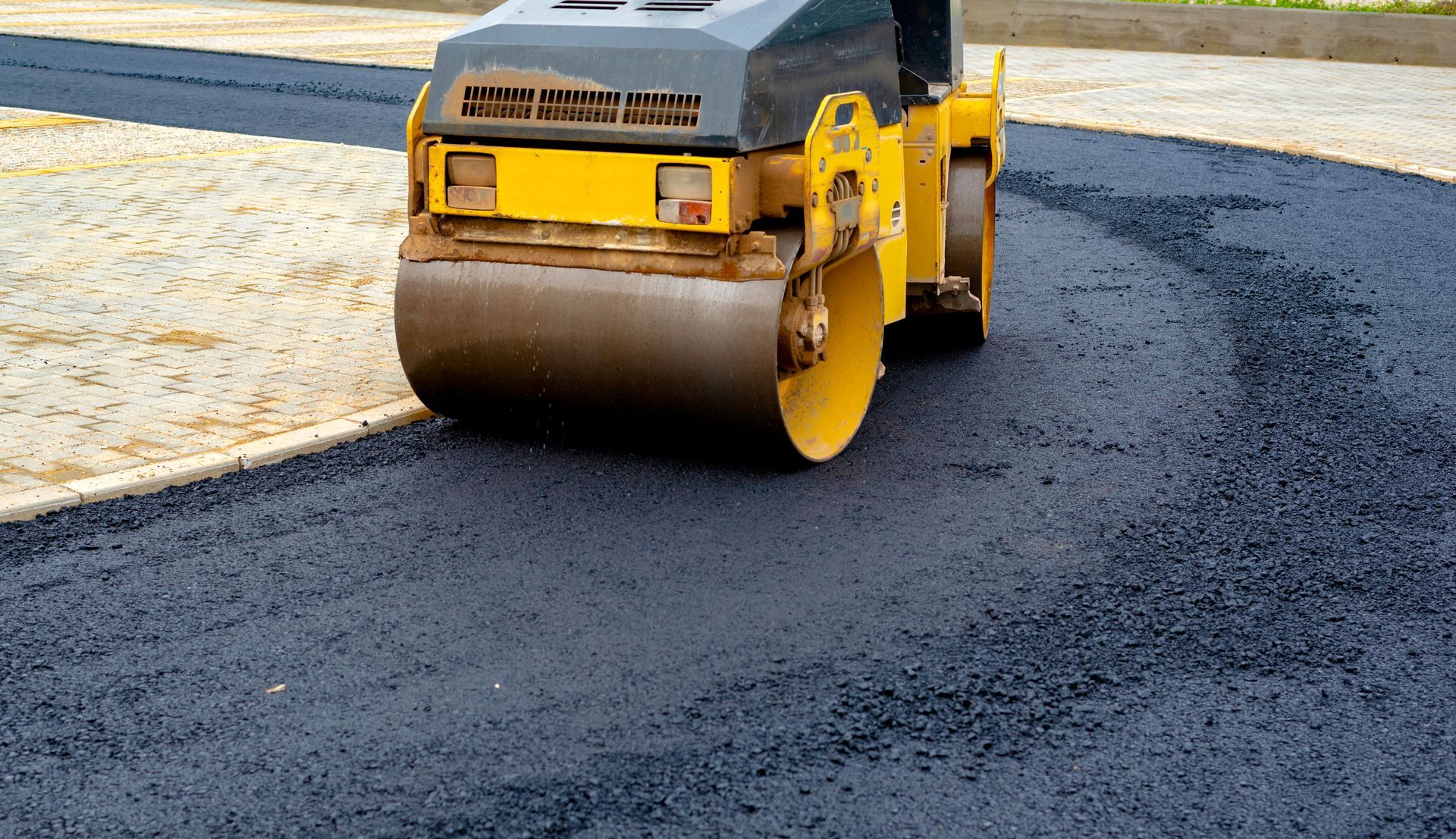
The widespread use of asphalt is not surprising, considering its benefits in construction. Its quick setting time allows roads to open sooner, minimizing disruptions for drivers. Asphalt can support high volumes of traffic and is relatively easy to repair. Advanced paving techniques and proper maintenance keep roads smooth, safe, and reliable. In fact, according to the Asphalt Pavement Alliance, about 94% of roads in the U.S. are surfaced with asphalt, highlighting how critical asphalt companies are to national transportation networks.
Innovations in Asphalt Technology
Modern asphalt technology continues to improve road performance and lifespan. Polymer-modified asphalts increase elasticity, preventing cracks and rutting. Warm-mix asphalt reduces production temperatures and energy consumption, making paving more environmentally friendly. Innovations in mixing, additives, and surface treatments allow asphalt companies to create durable, sustainable, and cost-effective roads that meet modern infrastructure needs.
Global Usage of Asphalt
Around the world, asphalt remains a preferred paving material. In Europe, strict environmental standards have led to more recycled asphalt use. Rapidly urbanizing regions in Asia and Africa rely on asphalt for new roads to support economic growth. In North America, continued freeway expansion and maintenance ensure that asphalt remains central to the transportation network. These global trends demonstrate the adaptability and versatility of asphalt companies in meeting diverse infrastructure requirements.
Economic Impact of Asphalt Companies
Contribution to Local Economies
Asphalt companies generate significant economic benefits locally. They employ skilled workers, engineers, and support staff while also working with local suppliers and subcontractors. These jobs and contracts stimulate regional economies, increasing wages and creating business opportunities. The presence of a thriving asphalt industry contributes to community stability, as economic activity is bolstered by the demand for construction and maintenance services.
Role in National Economic Growth
Beyond local impacts, asphalt companies help fuel national economic growth. Reliable roads facilitate trade, commerce, and tourism by reducing travel times and transportation costs. Efficient infrastructure boosts productivity, strengthens supply chains, and supports business expansion. Additionally, asphalt companies often drive innovation in paving materials and techniques, enhancing productivity and efficiency at a broader economic scale.
Infrastructure Development and Economic Development
Well-constructed roads attract businesses, enhance property values, and improve quality of life. Asphalt companies provide the foundation for this development by building and maintaining high-quality transportation networks. Accessible roads stimulate trade, create jobs, and open new markets, showing how critical asphalt companies are to both short-term construction activity and long-term regional growth.
Asphalt Companies and Road Safety
Importance of Quality Roads for Safety
Safe roads save lives. Smooth, properly paved asphalt reduces vehicle wear, minimizes driver fatigue, and provides stable driving conditions. Eliminating potholes and irregular surfaces decreases the likelihood of accidents. Through careful construction and maintenance, asphalt companies create safer travel experiences for drivers, passengers, and pedestrians alike.
Engineering Standards for Safe Roads
Adhering to engineering standards is vital for safety. Asphalt companies follow guidelines that consider traffic load, drainage, and skid resistance to ensure that roads withstand stress and adverse weather. Properly engineered surfaces reduce accidents and improve overall traffic safety, highlighting the importance of professional, well-trained asphalt teams.
Maintenance and Repair Contribution
Maintenance is a critical responsibility of asphalt companies. Timely repairs of cracks, potholes, and other road defects prevent further damage and maintain safety. Innovative techniques like cold mix asphalt allow for quick, durable repairs with minimal disruption. Regular upkeep ensures roads remain safe and reliable for everyday travel, reinforcing the critical role of asphalt companies in public safety.
Environmental Considerations
Environmental Impact of Asphalt Production
While asphalt production consumes energy and emits greenhouse gases, asphalt companies are increasingly addressing these environmental concerns. Lower-temperature asphalt technologies, alternative fuels, and sustainable production methods reduce emissions and conserve resources.
Sustainable Practices in Asphalt Use
Recycling and warm mix asphalt exemplify environmentally conscious practices in the industry. Recycled asphalt pavement (RAP) allows old materials to be reused, minimizing waste and preserving natural resources. Asphalt companies adopting these practices maintain road quality while reducing their environmental footprint.
Recycling and Reusing Asphalt
Asphalt is 100% recyclable, allowing old pavement to be repurposed for new roads. Techniques like hot in-place recycling enable efficient, sustainable road reconstruction. By prioritizing recycling, asphalt companies contribute to environmental sustainability without compromising durability or performance.
Technological Advancements in the Asphalt Industry
Smart Pavement Technologies
Modern roads increasingly incorporate smart technology. Sensors embedded in asphalt surfaces monitor traffic patterns, wear, and environmental conditions. This data enables asphalt companies to plan maintenance, reduce congestion, and improve road safety efficiently.
Innovations in Asphalt Mixing
New mixing processes, additives, and polymer-enhanced materials extend the lifespan of asphalt while reducing environmental impact. Warm-mix asphalt lowers energy use, and advanced binders increase resistance to cracking and rutting, ensuring longer-lasting pavements.
Use of Data in Road Management
Data-driven approaches allow asphalt companies to make informed decisions about maintenance and infrastructure investment. GIS mapping, traffic analysis, and predictive modeling optimize road performance and resource allocation, demonstrating the industry’s commitment to innovation.
Community and Social Benefits
Enhancing Connectivity
Reliable asphalt roads connect communities, enabling efficient travel for work, education, and leisure. By creating dependable transportation networks, asphalt companies facilitate economic and social interactions that improve the quality of life.
Impact on Urban Development
Urban growth depends on accessible roads. Asphalt companies provide the infrastructure for expanding cities, supporting commercial activity, residential development, and public spaces. Well-maintained roads encourage investment and create more vibrant, connected communities.
Supporting Emergency Services
Emergency services rely on smooth, durable roads. Ambulances, fire trucks, and police vehicles need reliable routes for fast response. Asphalt companies ensure roads are maintained for safety and accessibility, contributing directly to public well-being.
Asphalt companies are indispensable to modern society, providing safe, reliable, and sustainable roads that support travel, commerce, and community development. Their contributions extend from infrastructure and economic growth to road safety, environmental stewardship, and technological innovation. Through building, maintaining, and improving asphalt surfaces, these companies ensure that daily travel remains efficient and secure. For reliable, high-quality paving services, the professionals at OC Paving & Services are your go-to team for all asphalt needs, ensuring smooth roads and lasting results.