April 13, 2026
This article explores the essential aspects of asphalt paving, providing homeowners, contractors, and property managers with valuable insight into how asphalt surfaces are installed, repaired, and maintained. Asphalt is commonly used for driveways, parking lots, and access roads due to its durability and practical performance under regular vehicle use. Understanding how asphalt paving works and what goes into its upkeep can help property owners make informed decisions about their paving projects and long-term maintenance needs.
Basic Asphalt Paving
Understand Asphalt Paving
Overall, asphalt paving involves creating durable surfaces using a mixture of aggregates such as crushed stone, sand, and gravel combined with a binding agent. This material is applied and compacted to form smooth, long-lasting surfaces suitable for vehicles and pedestrian traffic. It is widely used for residential and commercial paving projects because of its strength, flexibility, and ability to withstand everyday wear. Asphalt paving is designed to support consistent use across a variety of property types and traffic levels.
Explain Benefits Of Asphalt Paving
Asphalt is valued for its durability, cost-effectiveness, and ability to provide a smooth driving surface. It performs well under varying weather conditions and regular traffic use, making it a dependable option for driveways, parking lots, and other paved areas. Its flexibility also allows it to expand and contract with temperature changes, which helps reduce surface damage over time when properly installed and maintained. Asphalt paving continues to be a widely used solution for functional and long-lasting surfaces.
Compare Asphalt Applications
Different asphalt applications are used depending on the project requirements. Hot mix asphalt is commonly used for long-lasting installations such as driveways and parking lots. Cold mix materials are often used for temporary or small-scale repairs. The choice of material depends on the condition of the surface, traffic levels, and the intended use of the paved area.
Address Environmental Considerations
Asphalt materials can be reused and recycled, making them a practical option for responsible paving projects. Reclaimed asphalt can be incorporated into new mixes, reducing the need for new raw materials. Modern paving practices also focus on efficient material use and responsible installation methods to help minimize environmental impact. These practices support more efficient use of resources over time.
Practical Asphalt Paving
Prepare Site
Proper site preparation is an important first step in any paving project. This process includes clearing the area of debris, evaluating the surface conditions, and preparing a stable base. Excavation may be used when necessary to create the proper foundation for new asphalt paving installation. A well-prepared base helps support the longevity and performance of the finished surface.
Install Asphalt
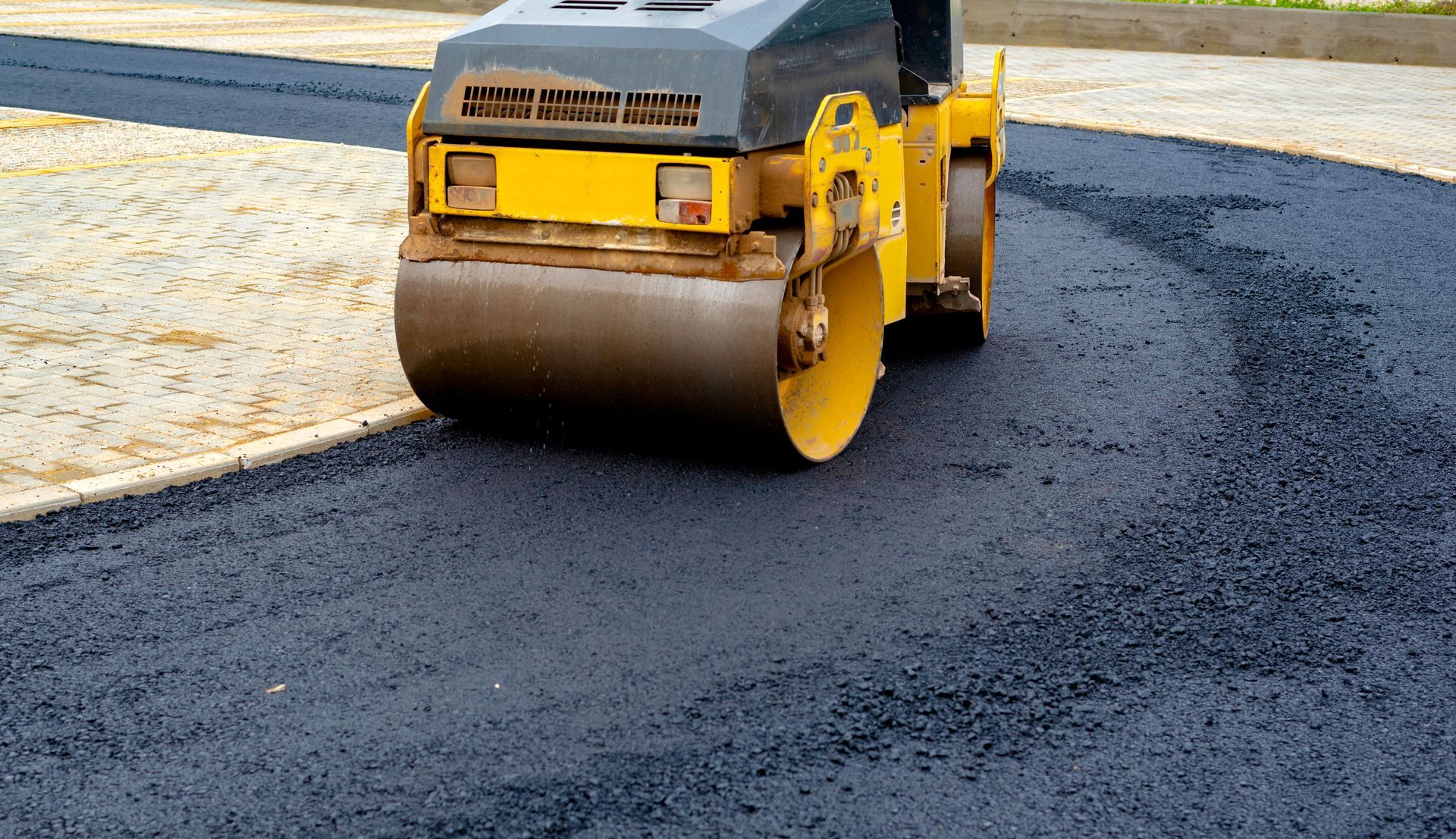
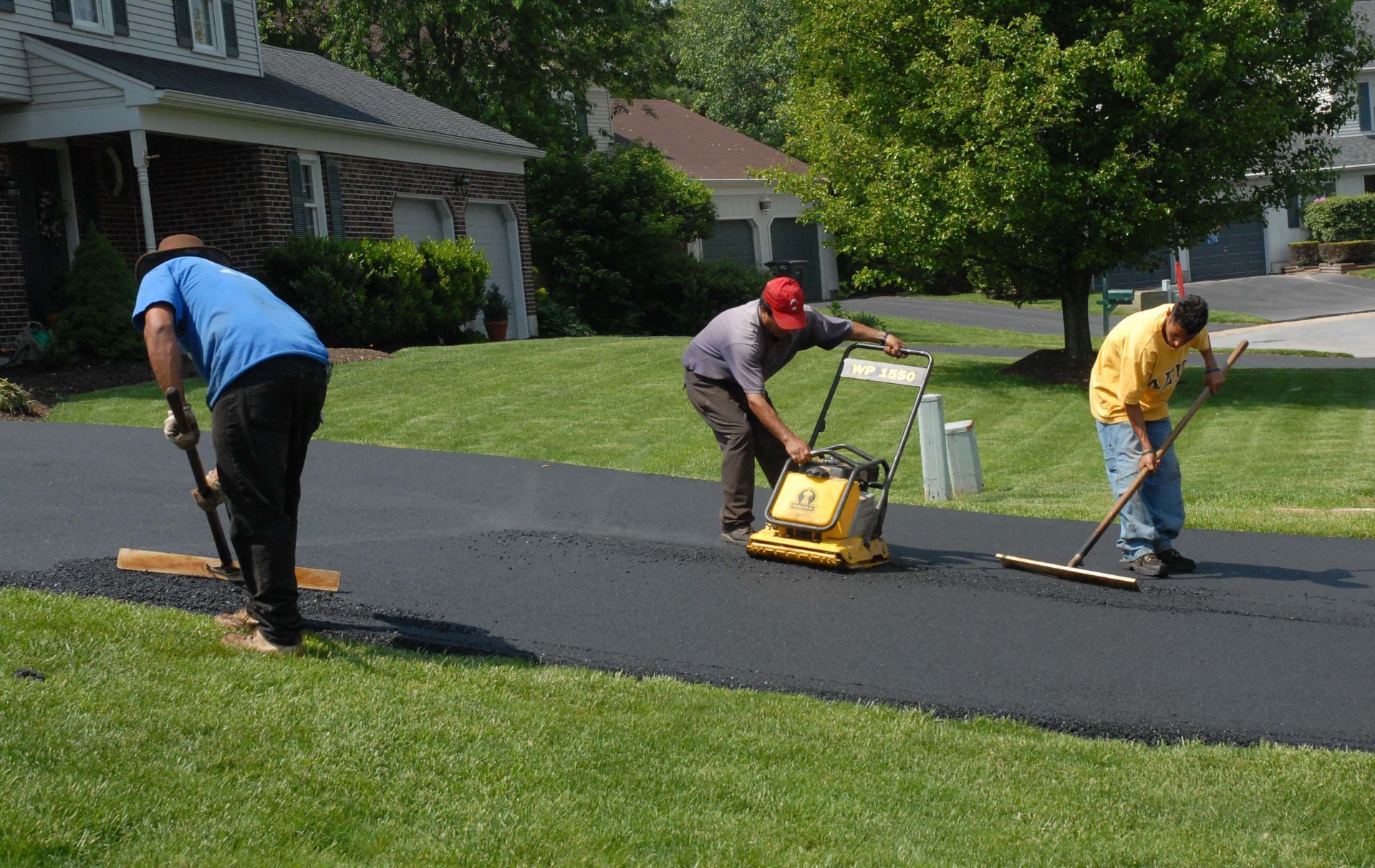
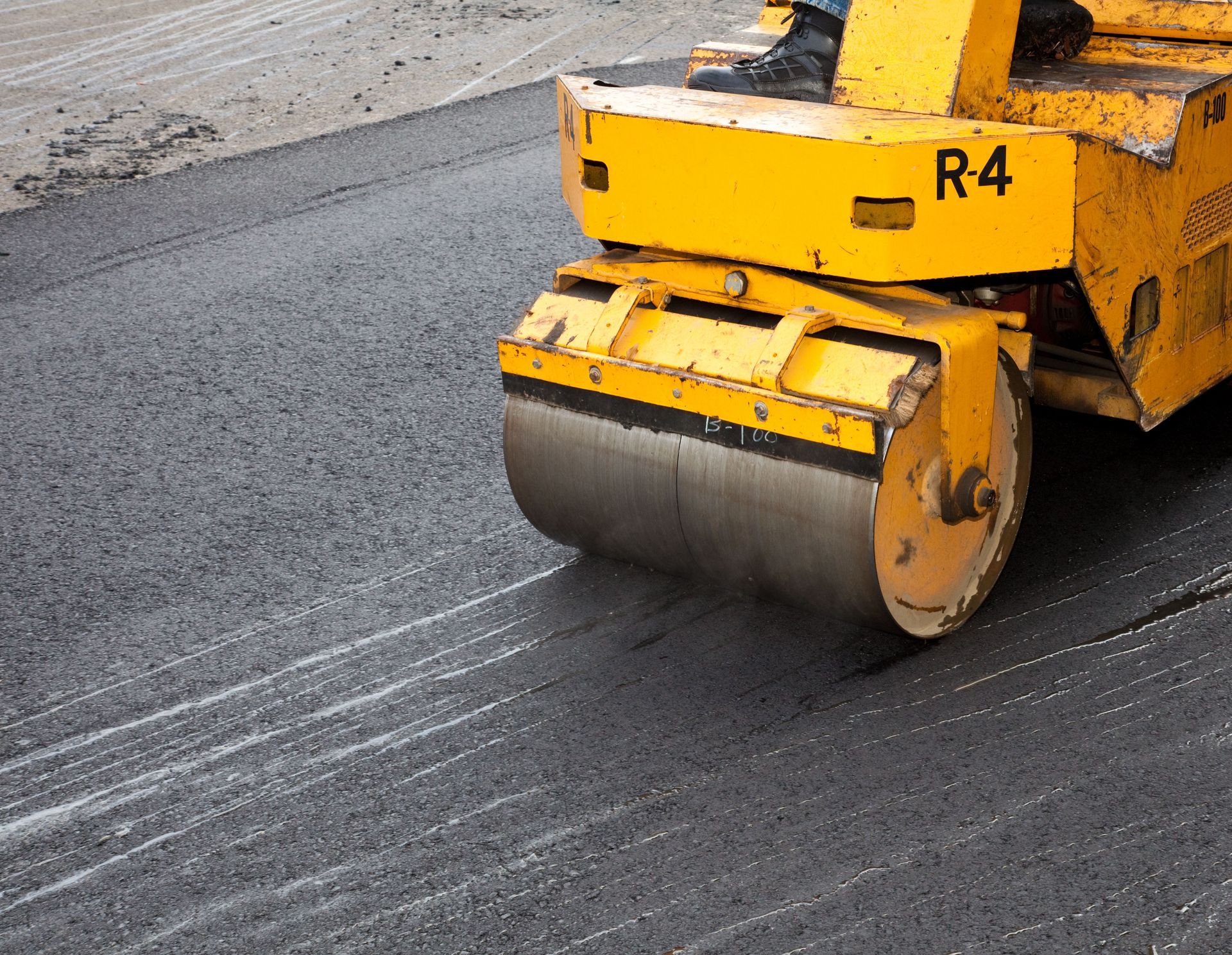
Once the site is prepared, asphalt paving is applied and spread evenly across the surface. The material is then compacted using specialized equipment to create a smooth and stable finish. This process is used for new installations such as driveways, parking lots, and access roads, ensuring a consistent and durable surface that can handle regular use.
Perform Resurfacing
When existing asphalt surfaces begin to show wear but still have a solid foundation, resurfacing may be used to restore the surface. This process involves applying a new layer of asphalt over the existing pavement. In some cases, milling is used to remove the top layer of asphalt before resurfacing to create a smoother base for the new material. These methods help extend the life of asphalt paving surfaces.
Apply Quality Practices
Careful application and compaction are essential to creating a long-lasting surface. Proper equipment and techniques help ensure the material is evenly distributed and securely compacted. This reduces surface irregularities and improves overall durability. Strong application practices support dependable asphalt paving performance over time.
Preventive Asphalt Surface Maintenance
Repair Cracks
Crack repair is used to address surface fractures in asphalt paving before they expand into larger structural issues. Sealing cracks helps prevent water intrusion and further deterioration of the pavement. Early repair helps maintain surface integrity and reduces the need for more extensive work later on.
Repair Potholes
Pothole repair involves removing damaged material and filling affected areas with new asphalt. This restores the surface and improves safety for vehicles and pedestrians. Prompt repair helps maintain the usability of asphalt paving surfaces and prevents further breakdown.
Patch Asphalt
Patching is used for localized damage where only specific sections of asphalt need repair. This targeted approach helps restore surface integrity without replacing the entire pavement. It is commonly used to maintain asphalt paving in high-traffic or heavily used areas.
Apply Sealcoating
Overall, sealcoating is applied to protect asphalt paving surfaces from everyday wear, including exposure to moisture, sunlight, and general traffic use. It also helps maintain a clean, uniform appearance while extending the lifespan of the pavement. Regular sealing supports long-term surface protection and durability.
Specialized Paving Services
Install And Repair Blacktop
Generally, blacktop services include both installation and repair of paved surfaces used for driveways and other paved areas. These services ensure that surfaces remain functional, smooth, and suitable for daily use. They are commonly used as part of broader asphalt paving projects.
Mark Lines
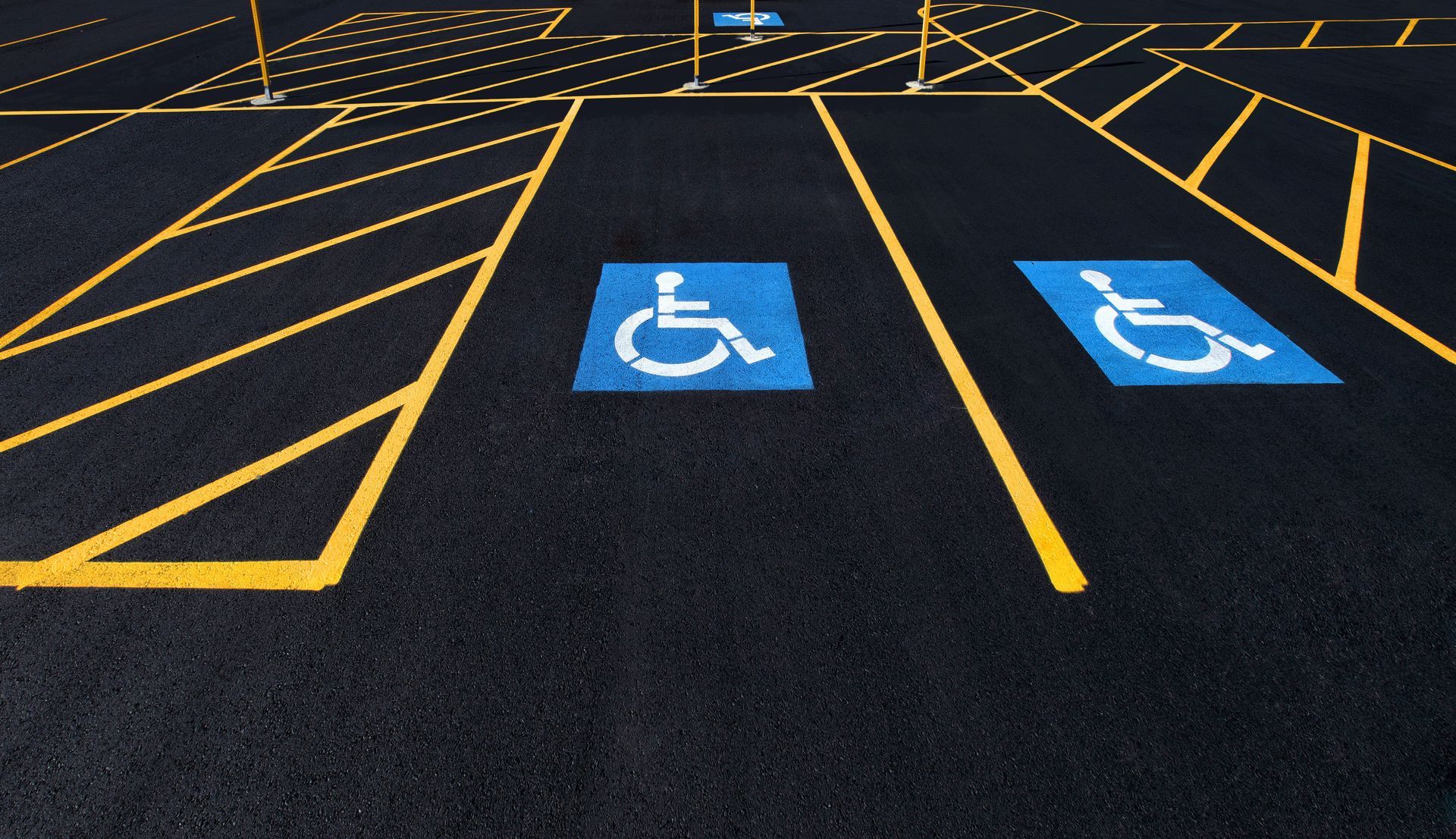
Line striping is used to mark parking lots and paved areas for improved organization and traffic flow. Clear striping helps define parking spaces, access lanes, and directional movement in commercial settings. This service supports safer and more efficient use of asphalt paving surfaces.
Excavate Dirt
All in all, dirt excavation is used to prepare sites for paving projects by removing existing soil or debris. This step helps establish a stable base required for proper asphalt paving installation. Proper preparation contributes to long-term surface stability.
Commercial Asphalt Paving Scope
Build Parking Lots And Commercial Surfaces
Commercial paving projects include the installation and maintenance of parking lots, loading areas, and access roads. These surfaces are designed to handle heavier traffic and higher usage demands compared to residential driveways. Asphalt paving in commercial environments requires durable construction methods to support ongoing use.
Support High-Traffic Durability
Commercial asphalt surfaces are built with durability in mind to support consistent vehicle traffic. Proper installation and maintenance help ensure these areas remain functional and safe over time. This often includes routine inspections, sealcoating, and timely repairs to reduce long-term surface damage. Asphalt paving in high-traffic areas must be maintained regularly to preserve performance and safety.
Preventive Asphalt Surface Maintenance
Regular maintenance plays an important role in extending the life of asphalt paving surfaces. Services such as crack repair, sealcoating, and pothole repair help prevent minor issues from developing into larger structural problems. Routine upkeep also helps preserve the appearance and functionality of paved areas over time.
According to HomeGuide, most residential driveways need two to three inches of asphalt, while commercial lots or driveways expecting heavy vehicles and wear require four inches or more. Thickness requirements can vary based on soil conditions, drainage, and overall load expectations. Proper installation depth helps ensure long-term performance and reduces the likelihood of premature surface failure.
Asphalt paving remains a dependable choice for creating durable surfaces across both residential and commercial properties. From initial installation and resurfacing to ongoing repairs and preventative maintenance, each stage contributes to the long-term performance of the pavement. With consistent upkeep, paved areas can continue to function safely and efficiently while maintaining their overall condition. To learn more about asphalt paving, repair, sealcoating, and commercial paving solutions in Olathe, Kansas, OC Paving & Services offers a full range of services designed to meet a variety of property needs.